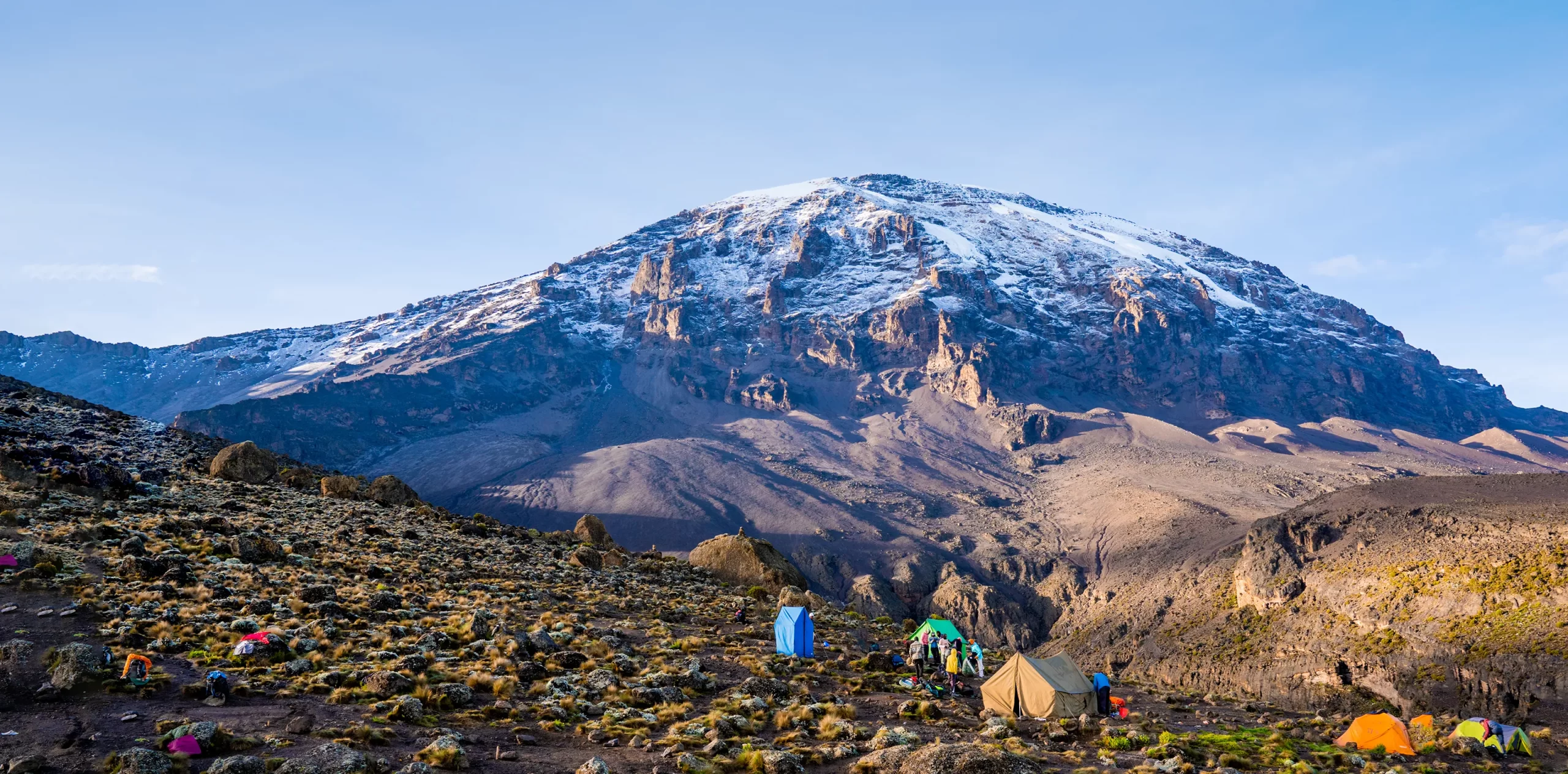
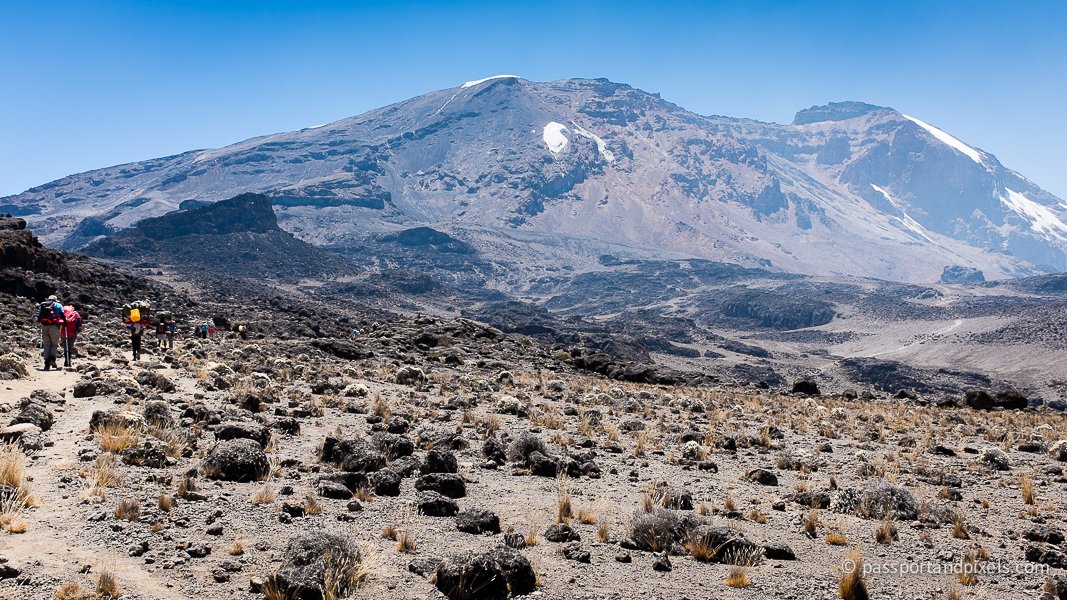
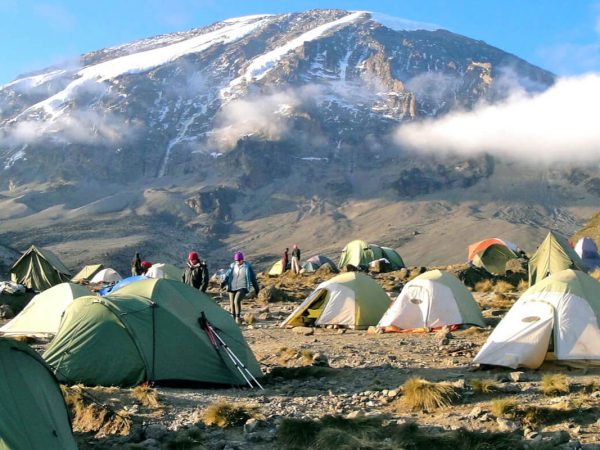
6 Days Kilimanjaro Trekking Umbwe Route

Loading available options...

Overview

  • Duration:6 days 5 nights
  • Travelers:1 - 20 guests
  • Tour Type:Daily tour
  • Language:English, French, German, Italian
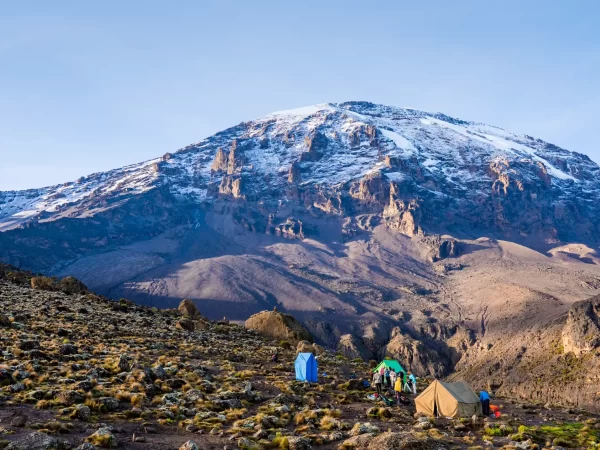
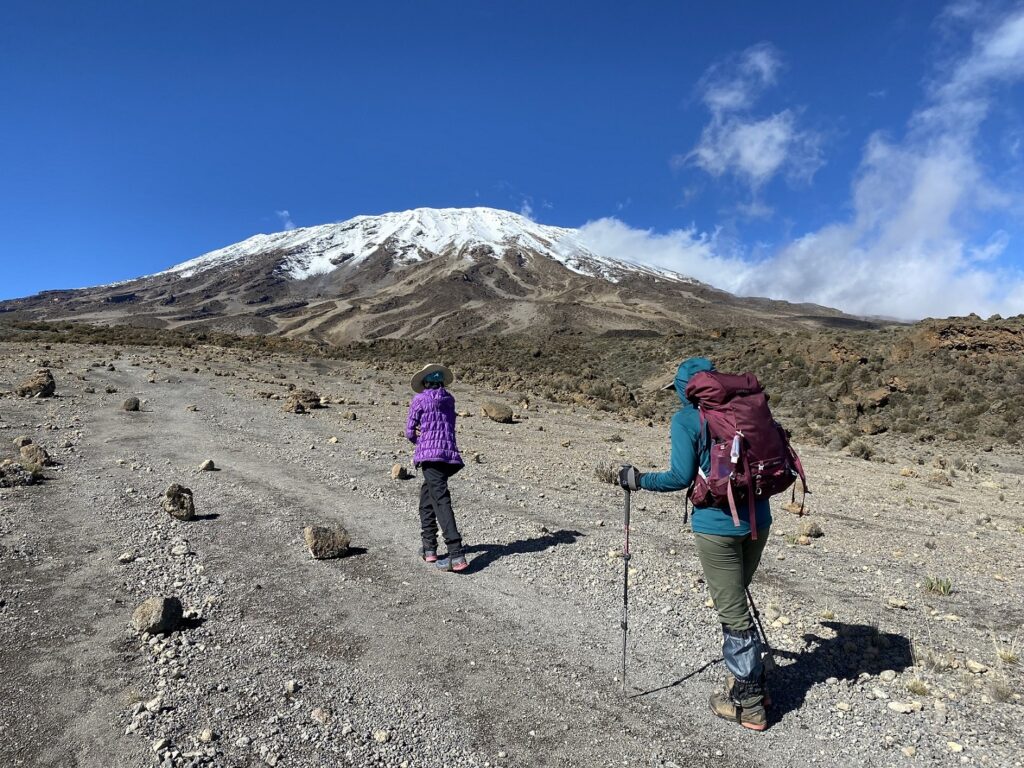
The Umbwe Route is the steepest, most direct, and most challenging trail on Mount Kilimanjaro. It gains altitude rapidly, offering little time for acclimatization, which makes it a high-risk option for altitude sickness.

- Low traffic: Very few climbers choose this route.
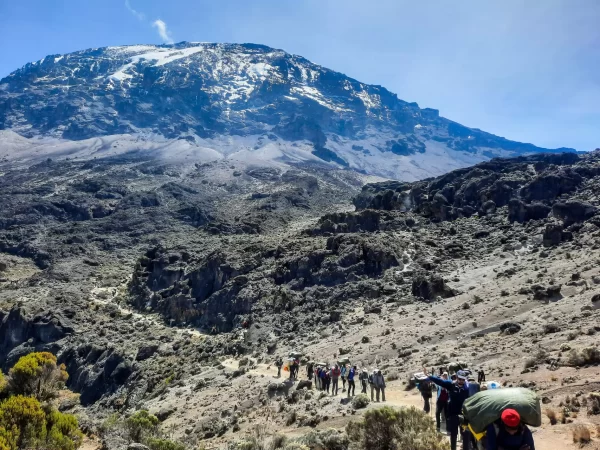
- Scenic but tough: The trail is beautiful, passing through dense forest and sharp ridges, but physically demanding.
- Recommended only for experienced trekkers with strong fitness levels and high-altitude experience.
- Minimum duration: 6 days (7 days recommended for better acclimatization).

Important Note:
Due to the low summit success rate and high physical demands, we do not recommend the Umbwe route for most climbers. We advise choosing a more gradual ascent route like Lemosho or Machame for a safer and more enjoyable experience.
Read more

Highlights

  • Most direct and steepest route up Kilimanjaro
  • Low traffic and very quiet trail
  • Dramatic scenery through dense rainforest and narrow ridgelines
  • Joins Machame route near Barranco Camp
  • Rapid ascent with limited acclimatization time
  • Best suited for experienced, well-acclimatized trekkers
  • Challenging climb with high difficulty level
  • Summit attempt via Barafu and Stella Point
  • Descent follows the Mweka Route

Includes/Excludes

  • All park entry, camping & rescue fees
  • Professional English-speaking mountain guide(s), cook & porters
  • Camping equipment (tents, sleeping mats, dining tent, etc.)
  • All meals during the climb
  • Drinking water during the hike
  • Fair wages for crew
  • Transfers to and from Kilimanjaro National Park gate
  • Government Tax
  • Certificate of achievement
  • International or domestic flights
  • Visa fees
  • Tips for guides, porters, and cook
  • Personal equipment (gear/clothing)
  • Travel insurance
  • Extra hotel accommodations before/after the climb
  • Soft drinks and alcoholic beverages
  • Laundry services

Itinerary

Expand all

DAY 1: Arrival in Tanzania

Upon arrival at Kilimanjaro International Airport, you will be warmly welcomed and transferred to your hotel in Arusha | Moshi town. Here, you will meet your guide for a detailed briefing about the upcoming trek. An equipment check will be conducted to ensure you have all the necessary gear. Any missing items can be rented on this day.

  • Meals: Lunch & Dinner included

DAY 2: Umbwe Gate (1,800m/5,905ft) to Cave Bivouac Camp (2,850m/9,350ft)

At 8:00 AM, departArusha |  Moshi for Umbwe Gate, where you’ll meet your guides, porters, and cooks - your support team for the trek to Uhuru Peak. After completing registration and final preparations at the gate, begin your ascent. Today’s hike is steep and can be slippery in sections, taking you through Kilimanjaro’s lush cloud forest. As you gain elevation, the dense rainforest gives way to heathers, tall grasses, and wildflowers. Porters and cooks will go ahead to set up camp, ready for your arrival at Cave Bivouac Camp.

  • Elevation Gain:1,050 meters, 3,445 feet
  • Hiking time: 4 to 6 hours
  • Meals: Breakfast, Lunch & Dinner Included

DAY 3: Cave Bivouac (2,850m/9,350ft) to Barranco Camp (3,950m/12,960ft)

Today’s trek continues along the ridge before emerging from the forest into the open moorland. As you ascend, enjoy changing landscapes and striking views. The trail leads to Barranco Camp, widely considered the most scenic campsite on the Umbwe Route. Nestled in a valley and surrounded by towering giant senecios and lobelias, Barranco offers a unique and peaceful setting. Due to its location, the sun reaches the camp later in the morning.

  • Total Elevation Gain: 1,100 meters, 3,610 feet
  • Hiking time: 5 to 7 hours
  • Meals: Breakfast, Lunch & Dinner Included

DAY 4: Barranco Camp (3,950m/12,960ft) to Karanga Valley (4,200m/13,780ft)

After breakfast, begin the day with a challenging 1.5-hour scramble up the famous Barranco Wall — the most demanding section of today’s trek. In a few spots, you may need to use your hands for balance and support. Once at the top, continue across relatively level terrain before making a steep descent into the lush Karanga Valley. This scenic camp is located near a flowing stream and offers stunning views of the mountain.

  • Elevation Gain: 250 meters, 820 feet
  • Distance: 7 Kilometers
  • Hiking time: 3 to 5 hours
  • Meals: Breakfast, Lunch & Dinner Included

DAY 5: Karanga Valley (4,200m/13,780ft) to Barafu Camp (4,600m/15,100ft)

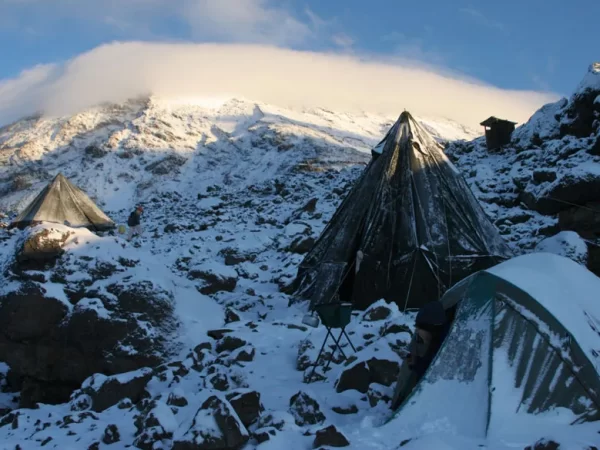
After breakfast, continue your ascent toward Barafu Camp. Along the way, enjoy views of several of Kibo’s glaciers and pass the junction that joins the Mweka descent route with the Machame trail. Today’s hike takes you through the alpine desert, a stark but beautiful landscape. You’ll pass close to the Heim, Kersten, and Decken Glaciers before reaching Barafu Camp, which sits beneath the towering Kibo and Mawenzi peaks. After dinner, try to get some rest—you’ll be waking before midnight to begin your summit attempt.

  • Elevation Gain: 400 meters, 1,320 feet
  • Hiking time: 3 to 5 hours
  • Meals: Breakfast, Lunch & Dinner Included

DAY 6: Barafu Camp (4,600m/15,100ft) to Uhuru Peak (5,895m/19,340ft) to Mweka Camp (3,100m/10,170ft)

Around midnight, begin your final ascent to Uhuru Peak, the highest point in Africa. Using headlamps, you’ll hike steadily for about six hours on a steep, challenging trail leading to Stella Point on the crater rim. This is the toughest section of the trek—both mentally and physically.

From Stella Point, it’s about an hour of gradual climbing along the crater rim to reach Uhuru Peak (5,895m). Though the trail is less steep, the high altitude makes every step demanding. Upon reaching the summit, celebrate with photos and soak in the incredible views of the glaciers, crater, and surrounding clouds.

Begin your descent back to Barafu Camp, where you’ll stop for breakfast and a short rest. Then continue down to Mweka Camp, passing through varied landscapes as the altitude drops rapidly.

  • Elevation Gain: 1,295 meters, 4,240 feet
  • Elevation Loss: 2,795 meters, 9,170 feet
  • Hiking time: 6 hours to the rim, 1 hour to Uhuru, 3 to 4 hours back to Barafu, 4 hours to Mweka
  • Meals: Breakfast, Lunch & Dinner Included

DAY 7: Mweka Camp (3,100m/10,170ft) to Mweka Gate (1,500m/4,920ft)

After breakfast, complete your trek with a descent through the lush rainforest to Mweka Gate. The trail can be slippery, especially after rain, so watch your footing as you make your way down. At the gate, you'll sign out and receive your summit certificates — a proud reminder of your achievement.

Our vehicles will be waiting at the lower station to transfer you back to Moshi | Arusha, where a hot shower, a proper meal, and well-earned rest await.

  • Elevation Loss: 1,600 meters, 5,250 feet
  • Hiking time: 4 hours
  • Meals: Breakfast, Lunch & Dinner Included

DAY 8: Depart Tanzania

The day is left free to wind down after the trek before your flight home. Depending on flight times you could go and explore Arusha | Moshi town and grab some souvenirs before heading to the airport.

  • Meals: Breakfast Included

Cancellation policy

You can cancel up to 72 hours in advance of the experience for a full refund.

Frequently asked questions

What is the best time to climb Mount Kilimanjaro?

The best months are January–March and June–October, when the weather is generally dry and clear.

How fit do I need to be?

You don’t need to be an athlete, but good physical condition and stamina are essential. Regular hiking and cardio training are recommended.

Which route is best for climbing?

- Marangu Route: Comfortable with hut accommodations, less scenic.
- Machame Route: Very scenic and popular, more challenging.
- Lemosho Route: Scenic and great for acclimatization.
- Rongai Route: Drier and less crowded.
- Northern Circuit: Longest route with best acclimatization.

How many days does it take?

Most treks take 6 to 9 days, depending on the route and your acclimatization needs.

Do I need technical climbing experience?

No. Kilimanjaro is a non-technical trek, so no ropes or climbing gear are needed. Just good hiking preparation.

What is the success rate?

Routes with longer durations (7+ days) have higher success rates due to better acclimatization.

What is included in the climb package?

Usually includes:  
- Park fees
- Professional guides and porters
- Meals and drinking water
- Tents or huts (depending on route)
- Emergency evacuation (where applicable)

What should I pack?

You’ll need layered clothing, hiking boots, a sleeping bag, day pack, headlamp, and warm gear. A full packing list is usually provided upon booking.

What about altitude sickness?

It’s the main challenge. Acclimatization days, hydration, and slow ascent help reduce the risk. Guides monitor you closely.

Do I need travel insurance?

Yes, it’s highly recommended, and it should cover high-altitude trekking (up to 6,000m) and emergency evacuation.

Extra Services

Airport transfers

Airport transfers

Personalized welcome at Kilimanjaro or Arusha Airport. Express airport assistance and Private airport transfers to/from hotels and lodges.

$ 70/package
Photography

Photography

Private photographer on request, Drone videography (subject to park permissions). You will get custom safari photo album.

$ 350/package

You might also like...